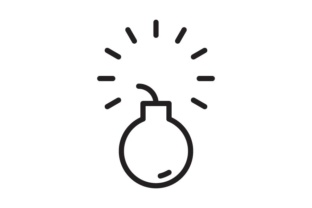
Danger: A Bold Embroidery Design
As an embroidery designer and product reviewer, I've evaluated countless machine embroidery designs, but few carry the visual punch of Danger. This SVG file is more than just a graphic—it's a statement. The design exudes a sense of urgency, danger, and edge that can be both appealing and challenging to translate into real-world embroidery projects.
The First Impression: Mood and Visual Personality
From the moment you open the file, Danger commands attention. Its bold lines and sharp angles create a striking visual contrast that feels modern and edgy. The design has a clear theme—something that screams caution or rebellion, depending on the context. It’s not subtle, but that’s part of its charm. If you're looking for a design that makes a statement, Danger delivers.
The layout is clean and focused, with a strong central element that doesn’t get lost in unnecessary details. It’s ideal for projects where clarity and impact are key, such as custom apparel, baby items, or holiday gifts. The detail level is high enough to make an impression without being overwhelming, which is perfect for embroidery where stitch density and fabric texture play a role.
Real-Life Embroidery Scenarios
Imagine you're preparing a custom embroidered tote bag for a client who wants something unique. Danger could be the perfect centerpiece. Its boldness would stand out on a canvas tote, making it a conversation starter. But there are considerations. The design’s sharp edges and dense areas might require careful handling, especially if you're working with smaller hoop sizes or delicate fabrics.
For a sweatshirt or t-shirt, Danger could work well as a front design. However, if the fabric is stretchy or thin, you’ll need to use the right stabilizer to prevent distortion. The same applies to baby clothes—while the design is visually striking, it needs to be placed carefully to avoid irritation or damage from frequent washing.
When it comes to patches or aprons, Danger’s size and complexity might require a larger hoop. If you're working with a cap or hat, the curved surface could pose challenges. The design’s corners might not come out as crisp as they do on flat fabric, so testing on scrap material is essential.
Where to Use Danger Carefully
Danger isn’t a one-size-fits-all design. On small hoop sizes, it might feel cramped, and the details could get lost. Textured fabrics may also affect how the design looks—especially if the stitching doesn’t lay flat. Thin or stretchy fabrics could lead to puckering or distortion, so always test first.
If you’re using the design on dark fabric, you’ll want to ensure the thread colors contrast well. For light backgrounds, the design might appear too harsh, so consider adjusting the stitch density or using a lighter thread color. Layered garments or products with multiple fabric layers can also complicate the embroidery process, so plan accordingly.
Small details like tiny lettering or intricate corners might not translate well unless the design is scaled appropriately. Dense stitch areas can cause the fabric to stiffen, which might not be ideal for items like pillow covers or blankets. Decorative accents around the main design should be considered carefully to maintain balance.
Impact on Visual Appeal and Product Value
Danger has the potential to elevate a handmade product or custom apparel piece. Its boldness adds value, especially when used in commercial embroidery projects. Customers often look for unique, eye-catching designs, and Danger fits that bill. However, its intensity might not be suitable for all audiences—some might find it too aggressive or inappropriate for certain applications.
When it comes to customer trust, a well-executed embroidery project can build brand loyalty. If Danger is used effectively, it can become a signature element of your craft business or Etsy shop. But if the design doesn’t stitch well or looks off on the finished product, it could deter buyers. That’s why testing and planning are crucial.
For giftability, Danger could work well for personalized gifts, especially for those who appreciate bold aesthetics. However, it might not be the best choice for more traditional or family-oriented gifts. The design’s personality should align with the intended recipient’s taste.
Practical Designer Notes
Before using Danger in any project, always test it on scrap fabric. This will help you see how the design looks in real life and identify any issues with stitch density or fabric compatibility. Check the thread color contrast—especially if you're using it on dark or light backgrounds.
Review the stitch density to ensure it won’t cause the fabric to stiffen or distort. Confirm the hoop size required for the design and make sure your machine can handle it. Inspect small details closely, as they might not show up as clearly as expected.
Test the design in black and white mockups to see how it looks without color. Compare it against both light and dark fabric backgrounds to determine the best application. Use the proper stabilizer for the fabric type, and always check whether the design works for both personal and commercial projects.
Finally, confirm the licensing terms before selling finished items or digital products. Even though this download includes an SVG file, the rights to use it commercially may vary. Always double-check before proceeding.
Final Thoughts on Danger
Danger is a powerful design that can add a dramatic touch to your embroidery projects. It’s ideal for those who want to make a bold statement, whether in custom apparel, handmade products, or boutique merchandise. However, its success depends on how well it’s executed and how it’s applied to the final product.
If you’re an Etsy seller, craft business owner, or small shop operator, Danger could be a valuable addition to your design assets. Just remember to approach it with care, test it thoroughly, and use it in the right context. With the right application, it can turn a simple item into something truly memorable.