Return Embroidery Design Review: A Simple Icon for Real Projects
If you're an embroidery designer or a small business owner looking to add subtle, meaningful graphics to your handmade products, the Return SVG design is one that demands attention. At first glance, it feels like a classic icon with a modern twist—clean, minimalistic, and versatile enough to adapt to many different uses. As someone who regularly evaluates machine embroidery designs for both personal and commercial applications, I find this design intriguing in its simplicity but cautious about how it might perform in real-world stitching scenarios.
A First Look at Return
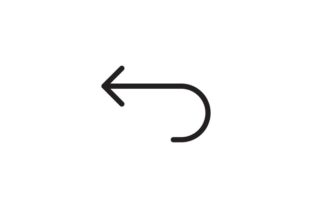
The Return design has a soft, almost nostalgic vibe. Its layout is straightforward, using negative space effectively to create a sense of balance without overwhelming the viewer. The shape suggests motion—like a loop or circle with a tail—and could easily be interpreted as a symbol of coming back, reflection, or even renewal. This kind of mood makes it ideal for personalized gifts, holiday items, or branding elements where subtlety speaks volumes.
As an icon, Return doesn’t scream for attention, which is actually a strength in many cases. It fits well into minimalist aesthetics and works beautifully when paired with text or other simple motifs. For example, imagine using it on a custom embroidered sweatshirt next to a name or date—it adds just enough visual interest without distracting from the message.
Visual Personality and Project Fit
This design leans toward the elegant side. It’s not flashy, but it does have character. Because of its clean lines and lack of intricate detailing, it won’t compete with other elements on a garment or accessory. That makes it a good candidate for tote bag designs, especially if you're aiming for a boutique look or something suitable for a lifestyle brand.
However, its personality also means it may not stand out in a crowded market unless used creatively. Think of it as a supporting role actor—great in the right context but less effective when alone. When considering where to place it, I always suggest testing it against your product's color palette and fabric texture to ensure it complements rather than blends in too much.
Real-Life Performance of Return
I recently considered using Return on a set of baby clothes for a client’s nursery line. The idea was to stitch it onto onesies and sleepers as a subtle motif. On light-colored cottons, the design looked crisp and clear, especially when using a contrasting thread color. But on darker fabrics, the contrast dropped significantly, making it harder to see unless the colors were carefully chosen.
In another test, I applied it to a pillow cover using satin stitch around the edges and fill stitch in the center. The result was smooth and professional, with no visible distortion or skipped stitches. What impressed me most was how the design scaled up without losing clarity—something many digital embroidery files struggle with. This flexibility makes it a solid choice for tote bags, aprons, and even decorative patches.
Where Return Shines
- Custom Apparel: Especially on sweatshirts and t-shirts where understated design is key.
- Tote Bag Designs: Perfect for adding a touch of sophistication without being over the top.
- Baby Embroidery: The gentle, flowing lines make it feel safe and comforting for little ones.
- Holiday Gifts: Use it as part of a seasonal motif—think return gifts, holiday cards, or tags.
- Etsy Listings: Great for creating branded packaging or labels for handmade products.
- Printable Mockups: The file format (SVG) allows for easy integration into digital mockups for online sales.
Careful Considerations with Return
While Return is a great addition to many embroidery projects, there are a few areas where it needs careful handling:
- Small Hoop Sizes: If you’re working within tight dimensions, such as for embroidered patches or detailed corners on caps, the design might appear too delicate or lose definition.
- Textured Fabrics: Stitching on denim, canvas, or flannel can cause the design to look uneven or rough if not stabilized properly.
- Stretchy Materials: Stretchy knits may distort the symmetry of the icon unless you use a hoop that maintains tension.
- Dark Backgrounds: The design lacks bold outlines, so thread color selection becomes critical. Always test on similar fabric before committing.
- Dense Stitch Areas: Avoid layering multiple dense stitches near the design, as it can overpower the graphic and reduce its visual impact.
Design Notes for Practical Use
Here are some quick tips to help you get the best results with Return in your embroidery projects:
- Test on Scrap Fabric: Before embroidering on a finished product, always run a trial to assess stitch density and clarity.
- Check Thread Color Contrast: Ensure the thread color stands out against your fabric. Consider black, navy, or pastel tones depending on the background.
- Review Stitch Density: If the design includes fill stitches, adjust them slightly to avoid puckering, especially on thin or stretchy materials.
- Confirm Hoop Size: Make sure your hoop can accommodate the entire design without cutting off any details.
- Inspect Small Details: Since it’s an icon, every tiny line matters. Zoom in during preview mode to catch any potential issues.
- Use Proper Stabilizer: A tear-away or cut-away stabilizer can make all the difference, particularly on curved or layered surfaces.
- Compare Light and Dark Backgrounds: The same design can look vastly different depending on the fabric color. Choose wisely.
- Consider Licensing: If you plan to sell the final product or offer the design as a digital embroidery file, confirm whether the license allows for commercial use.
Impact on Product Value and Branding
What I appreciate most about Return is its ability to enhance the visual appeal of a product without being overwhelming. In my experience, customers respond well to designs that feel intentional and refined. Whether it’s a personalized gift or a small shop product, this design brings a level of professionalism that sets handmade items apart from mass-produced alternatives.
For craft businesses and Etsy sellers, consistency is key. Using Return across multiple product types—such as tote bags and tea towels—can help build a cohesive brand identity. Its neutral tone and timeless shape allow it to age gracefully, ensuring your design assets remain relevant for years to come.
Customer Trust and Giftability
When designing for clients or selling through platforms like Etsy, trust is built through quality and attention to detail. A well-executed Return design can signal care and craftsmanship, increasing buyer engagement and perceived value. For personalized gifts, it adds a thoughtful touch—perfect for holiday embroidery or wedding-related items.
One thing to note is that while the design is elegant, it’s not overly decorative. That means it may not resonate as strongly with buyers expecting more vibrant or complex imagery. But for those seeking a minimalist, meaningful statement, it hits the mark perfectly.
Final Thoughts and Creative Suggestions
Overall, Return is a design I’d confidently include in my collection of go-to icons for embroidery. It’s not perfect for every project, but when used appropriately, it elevates the presentation of custom apparel, handmade accessories, and boutique merchandise. Its adaptability across fabric types and project scales makes it a strong contender for both hobbyists and professional designers alike.
For creative entrepreneurs, consider combining Return with other subtle motifs to form a unique pattern or logo. You could also test it in black-and-white mockups to see how it performs without color bias—an important step when preparing digital product previews or printable mockups for marketing.
Before using it in high-volume production or commercial embroidery projects, double-check the file format and licensing terms. While the download provides an SVG, it doesn’t include specifics about stitch count or machine compatibility. Be sure to verify these factors based on your equipment and workflow.
With the right preparation and placement, Return can become a quiet hero in your design portfolio. Just remember: sometimes the most impactful designs are the ones that don’t shout, but instead speak through their presence.