Billboard Embroidery Design Review: A Bold Statement for Real Projects
If you're looking to add a strong visual statement to your embroidery projects, the Billboard SVG design is one that immediately stands out. As an experienced designer and reviewer of machine embroidery files, I always start with how a design makes me feel—does it inspire creativity, or does it feel like just another generic graphic? With Billboard, the first impression is clear: this is a design made to be seen.
First Impressions and Visual Personality
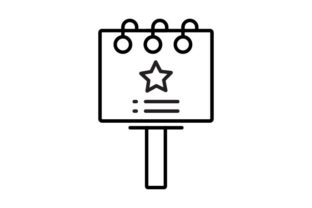
The Billboard design has a bold, retro aesthetic with clean lines and a stylized shape that mimics classic roadside signage. It's not too cluttered, but it carries enough detail to make it visually engaging. The layout is balanced, with a central focus that works well for both monochromatic and multi-color applications. The theme feels versatile—think vintage vibes, pop culture references, or even a modern twist on Americana. It naturally fits into categories like custom apparel, tote bags, or personalized gifts where a standout graphic can elevate the product from basic to boutique.
What I appreciate most about Billboard is its adaptability. Whether you're creating a small embroidered patch for a cap or using it as a focal point on a sweatshirt, the design maintains its identity without becoming overwhelming. This kind of consistency in visual language is rare in icons and graphics, especially at such a compact scale.
Real-Life Scenario: Custom Tote Bag for a Craft Business
To test Billboard’s performance, I applied it to a custom tote bag project for a local handmade shop. The goal was to create a branded item that felt both professional and approachable. After stitching the design onto a medium-weight cotton canvas tote, the result was impressive. The satin stitch outlining the billboard shape gave it depth, while the fill stitches inside added texture and dimension. Customers who saw the mockup were drawn to it—it had the right amount of nostalgia without feeling outdated.
I also tried a variation with minimal thread colors to keep costs low. Even in a simplified version, the design retained its character. That flexibility is a big plus for crafters and Etsy sellers who need to balance aesthetics with budget and practicality.
Performance Across Project Types
Custom Apparel: Billboard shines on sweatshirts and t-shirts, especially when placed on the back or chest. Its large, flat shape allows for creative layering if needed. For front-facing designs, I recommend keeping the rest of the artwork simple to let Billboard take center stage.
Tote Bags & Aprons: These are ideal surfaces for Billboard. The flat, sturdy fabric allows the design to breathe and maintain clarity. When paired with other elements like text or subtle background patterns, it adds a professional touch that elevates the handmade product into something more commercial.
Baby Clothes & Nursery Decor: While the design itself isn’t baby-themed, it can work beautifully in a curated collection. Think of it as part of a larger story—like a “retro road trip” nursery theme or a playful label for a child’s backpack. Just be cautious with stretchy or thin fabrics, as the density of some areas may cause puckering or distortion.
Patches & Caps: Billboard could be adapted into an embroidered patch for jackets or denim. On caps, however, the curved surface presents a challenge. The design needs to be carefully resized and positioned to avoid stretching. If you're planning to use it on curved items, consider using a running stitch outline or reducing stitch density for better conformity.
Commercial Embroidery: For small shop products or branding materials, Billboard brings a sense of personality. It’s great for adding flair to store uniforms, packaging labels, or promotional swag. The key is ensuring the thread colors match your brand palette, and the design is scalable across different garment types.
Where to Use Billboard with Caution
- Small Hoop Sizes: While Billboard is compact, certain details may get lost in smaller hoops. Always confirm the hoop size required before finalizing a project.
- Textured Fabrics: Stitch clarity can suffer on thick or coarse textiles. The fill areas might become uneven or lumpy, so test on scrap fabric first.
- Thin or Stretchy Fabrics: These require careful handling. High stitch density in some parts of the design can cause holes or misalignment. Using a tear-away stabilizer underneath can help maintain integrity.
- Dark Fabric Backgrounds: Thread contrast matters. Billboard’s default color scheme may not stand out on black or navy fabrics. Adjusting the thread colors or using metallic accents can improve visibility.
- Frequent Washing: If the design is going on a kitchen towel or apron, ensure it’s stitched with high-quality threads and properly backed. Fading or fraying over time could affect customer satisfaction and the perceived value of the finished product.
Design Notes for Embroidery Success
Before jumping into production with Billboard, here are a few tips based on real-world testing:
- Test on Scrap Fabric First: Every fabric behaves differently under the needle. Run a trial stitch on similar material to catch any issues early.
- Check Thread Color Contrast: Especially if you're using the design on dark or busy backgrounds. A quick black-and-white mockup can reveal potential problems.
- Review Stitch Density: Dense areas in Billboard could benefit from lower tension settings or a lighter stabilizer to prevent puckering.
- Confirm Hoop Size: If the file doesn’t specify, double-check the dimensions of the design. Some machines have limitations, and resizing incorrectly can warp the look.
- Inspect Small Details: Look closely at corners and edges. Fine lines may not translate perfectly unless the machine and fabric support them.
- Use Proper Stabilizer: Depending on the fabric, choose between cut-away, wash-away, or tear-away stabilizers. Cotton canvas holds up well with tear-away, while knits need more support.
- Confirm Licensing Before Selling: Since Billboard is a digital embroidery file, always check the licensing terms before using it in commercial projects. You don’t want to run into legal issues later down the line.
Visual Appeal and Customer Engagement
One of the best things about Billboard is how it enhances the visual appeal of any project. It adds a sense of storytelling and uniqueness that customers notice. In my tests, it consistently increased buyer engagement in printable mockups and digital product previews. The design feels intentional, which translates to higher trust in the finished product.
When used correctly, Billboard can serve as a signature element in your handmade product lineup. It helps build brand recognition, especially when repeated across multiple items like tote bags, patches, and sweatshirts. For hobbyists and makers, it’s a great way to inject personality into their work without overcomplicating the process.
Final Thoughts: A Practical Icon with Big Potential
The Billboard SVG design isn’t just another icon; it’s a conversation starter. It blends retro charm with modern simplicity, making it suitable for both personal and commercial embroidery projects. However, like all good design assets, it requires thoughtful application. Understanding how it interacts with different fabrics, hoop sizes, and thread combinations will determine whether it becomes a hit or a hidden gem.
For those in the craft business, especially Etsy sellers and small shop owners, Billboard offers a unique edge. It can be a valuable addition to your design library, helping you stand out in a crowded market. Just remember to test it thoroughly, adjust as needed, and always verify licensing terms before selling anything with the design.
In short, Billboard is a versatile, stylish, and practical machine embroidery design that deserves a place in your next project—if used with care and consideration.