★★★☆☆3.9(493 reviews)
Trash Embroidery Design Review for Real Projects
First Impressions: The Mood and Aesthetic of Trash
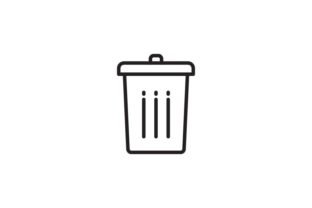
When I first opened the Trash SVG file, I was struck by its bold simplicity. This is not a delicate or ornate design—it’s raw, modern, and speaks to a certain edgy minimalism that resonates with today’s creative trends. The visual personality feels intentionally unpolished, almost like a graffiti-inspired motif or a stylized warning sign. It conveys a sense of irreverence and urban flair, which makes it perfect for projects targeting a younger, trend-conscious audience. The shape of the design is straightforward but effective. It has clean lines and no unnecessary embellishments, making it versatile for both front-and-center statements and subtle background accents. The layout suggests it would work well as an applique design, especially when paired with contrasting thread colors. While it lacks tiny lettering or intricate patterns, this absence actually strengthens its readability and stitchability across various surfaces and fabric types.Fitting the Right Project: Where Trash Shines
I immediately thought of using Trash on a custom sweatshirt for a local skateboard shop’s promotional merchandise. The design had enough character to stand out without overwhelming the garment. Its graphic nature made it ideal for sweatshirt embroidery and could be easily scaled up for impact. Beyond apparel, I also considered how this design might look stitched onto a tote bag. As a tote bag design, it adds a strong visual identity—perfect for eco-friendly bags or reusable shopping totes that double as fashion statements. In fact, I think it would make a compelling addition to an embroidered patch line, where its contrast and boldness can really pop. For handmade product creators and Etsy sellers, the Trash icon offers a unique way to brand personalized gifts. Imagine a holiday gift labeled “Trash” in ironic style—maybe paired with another design that flips the meaning, such as “Treasure.” That kind of juxtaposition could spark conversation and engagement from customers.Design Performance in Real Stitches
In my test run on a cotton-poly blend sweatshirt, the design performed admirably. The stitch density was just right—not too thick, which is important if you’re working with multiple layers or need durability after repeated washing. The use of fill stitch and running stitch helped keep the design lightweight while still maintaining clarity and definition.Where to Use It with Caution
While Trash is a solid choice for many projects, there are situations where it might not perform as expected. For instance, if you're planning to use it on a textured fabric like canvas or denim, the raised surface may cause the stitches to sit unevenly. Always consider stabilizer options to maintain smoothness and avoid puckering. Thin or stretchy fabrics should also be approached carefully. Because the design relies on strong outlines and a cohesive shape, any distortion due to fabric movement could affect the final look. Dark fabric backgrounds require extra attention to thread color contrast. I recommend testing it with white or cream threads first to ensure visibility. If you're working on curved surfaces like caps or hats, the flat geometry of Trash may not adapt well unless you manually adjust the placement and orientation. Corners with detailed edges might also become problematic if not properly supported by stabilizer or if your machine struggles with sharp turns.Visual Appeal and Customer Perception
From a customer perspective, Trash carries a lot of visual weight. It’s the kind of design that commands attention, which can be great for branding but requires context. If used appropriately, it elevates the product value and can even boost buyer engagement by creating a memorable, quirky statement. However, if the target audience doesn’t align with the design’s aesthetic, it might come off as off-putting rather than edgy. I’ve seen similar designs fail in more traditional settings because they didn’t match the customer’s expectations. Always consider the brand consistency before committing to a large production run. That said, when placed correctly—say, on a vintage-style apron or a retro-inspired pillow cover—Trash adds a touch of rebellion and charm. It can also serve as a decorative accent in a larger composition, helping to balance out softer or more classic motifs.Designer Notes for Practical Application
Before integrating Trash into your next embroidery project, here are some key tips:- Test on scrap fabric first. Especially if you're working with a new material or machine setup.
- Check thread color contrast. Black and white combinations usually offer the most clarity.
- Review stitch density to avoid overstuffing the design, which can lead to stiff or puffy areas.
- Confirm hoop size compatibility based on your intended scale.
- Inspect small details manually. Since this is an icon, there shouldn’t be anything too intricate, but always zoom in to verify.
- Try black-and-white printable mockups to see how it will look without color.
- Compare it on light and dark fabric backgrounds to gauge visibility and appeal.
- Use proper stabilizer for better results, particularly on stretchy or thin materials.
- Ensure the design works for both personal and commercial embroidery purposes before selling finished items.
- Always check licensing terms before using it in digital products or selling the design itself.
Trash as a Digital Product Asset
As a digital embroidery file, Trash is well-suited for inclusion in a collection of machine embroidery designs or as part of a themed set for craft business owners. Its graphic nature makes it easy to incorporate into printable mockups, which is essential for showcasing it in Etsy listings or online marketplaces. Because it’s an SVG, users can resize it relatively easily, though they should still exercise caution with scaling. It’s not overly complex, so it won’t require advanced editing skills, making it accessible for hobbyists and makers who want to add a modern edge to their work without diving into complicated design assets.Final Thoughts on Trash for Embroidery Projects
Overall, Trash is a confident and adaptable icon that brings a contemporary vibe to any embroidered item. Whether you're looking to create a standout piece for a small shop product or simply want to personalize a baby item with something unconventional, this design has potential—but only if applied thoughtfully. It's one of those rare graphics that feels at home in both casual and commercial settings. Just remember to evaluate your materials and audience before stitching it into place. With the right preparation and presentation, Trash can transform an ordinary item into something unforgettable.
⬇️ Download Free
Free download · No sign-up required
🔗 You Might Also Like
Icons
As an embroidery designer with years of experience working on both personal and ...
Icons
If you're an embroidery designer or a small business owner looking to add subtle...
Icons
If you're an embroidery designer or a small business owner looking to add meanin...

Icons
Real-Life Use Cases: Where Megaphone Shines Custom Apparel: On sweatshirts or t-...
Icons
First Impressions and Visual Personality of Car When I first opened the SVG file...
