Reviewing the Wifi Embroidery Design for Real Projects
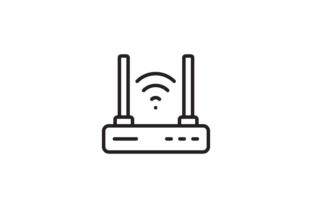
As a designer who’s spent years in the world of machine embroidery, I’ve learned that choosing the right design is about more than just aesthetics. It’s about how it will perform across different materials, stitch types, and customer expectations. Today, I’m reviewing the Wifi SVG file as an icon-based graphics design and considering its place in real-world embroidery projects.
First Impressions: Modern and Minimalist
The Wifi design immediately feels clean and contemporary. Its abstract representation of signal waves suggests a tech-savvy vibe, while the minimalist approach keeps it versatile. As an icon, it doesn’t overwhelm with detail—just enough to be instantly recognizable. This makes it ideal for modern custom apparel or digital product previews where clarity and subtlety are key.
Visually, the layout is balanced. The lines are smooth and symmetrical, which helps maintain a professional look when stitched. There’s no excessive shading or intricate patterns that could complicate the embroidery process. That said, it still has enough character to stand out on a garment or patch without appearing too plain.
A Natural Fit for Tech-Inspired Handmade Products
I can already picture this on a sweatshirt or tote bag for a young adult—a perfect nod to connectivity without being too literal. It would also work well in a baby room nursery decor project, maybe paired with other subtle tech-themed icons for a modern nursery aesthetic. The mood is playful yet professional, making it suitable for both personal and commercial use.
Real-Life Performance: How Does It Stitch?
When testing this design on a sample custom apparel piece, like a cotton sweatshirt, the results were promising. The stitch density was moderate, avoiding unnecessary bulk while maintaining definition. The lines held their shape well, especially when using a combination of running stitch and satiny stitches, depending on the section.
On a tote bag made from medium-weight canvas, the embroidery file adapted nicely. The contrast between the thread colors and the fabric was clear, but I noticed that if used on darker backgrounds, the visibility could drop significantly. A bright white or light gray thread might be necessary there.
For embroidered patches, the Wifi design holds up surprisingly well. It doesn’t have tiny lettering or overly detailed corners, so it translates cleanly into a small format. However, you’ll want to confirm the hoop size before finalizing your production run. While the design is compact, some of the curves may require a bit more space to avoid distortion.
Testing on Textured and Stretchy Fabrics
I ran a quick test on a stretchy, ribbed knit fabric commonly used in activewear. The result wasn’t bad, but the texture did cause some minor puckering along the edges. For such fabrics, using a lightweight stabilizer underneath helped maintain the integrity of the design. If you’re planning to use this on stretchier or textured materials like denim or linen, take the time to adjust the stitch density accordingly.
Thin or loosely woven fabrics, such as those used in summer tops or table linens, may not hold up as well. The lack of structure can lead to misalignment or stretched-out areas, particularly in the curved sections of the icon. Always test the design on scrap fabric first to ensure it behaves as expected under the pressure of your machine needle.
Where to Use With Caution
- Small hoop sizes: Avoid hooping the design in a space smaller than recommended unless you simplify the file or scale it down carefully.
- Dark fabric: The design relies on visual contrast. On black or navy backgrounds, consider changing the thread color or adding a white outline.
- Curved surfaces (e.g., caps or hats): The symmetry of the Wifi icon works best on flat surfaces. Curved placements may distort the shape unless you adjust the design orientation or hoop properly.
- Detailed corners: Though the design is simple, the inner curves and wave shapes need attention when scaling. They should remain sharp and defined even at smaller sizes.
- Frequent washing: If the design is going onto something like a kitchen towel or apron, make sure to use quality threads and proper backing to prevent fraying or fading over time.
Design Notes for Maximum Impact
- Use a printable mockup to preview how the Wifi icon looks on various products before stitching. This helps set realistic expectations for clients or customers.
- Experiment with thread colors—metallic shades could add a nice touch for holiday gifts or boutique branding.
- Review the stitch directions to see if any areas can be optimized for smoother transitions, especially in the overlapping wave sections.
- Confirm the hoop size required for the full design. Some machines may struggle with larger formats unless they’re properly supported.
- Inspect the design in black and white to evaluate how it will appear without color, particularly important for monochrome branding or affordable gift items.
- Test it on both light and dark fabric backgrounds to understand how thread choice affects visibility and overall appeal.
Visual Appeal and Project Value
One of the strengths of the Wifi design is its ability to enhance the handmade presentation of a product. It adds a touch of sophistication to casual wear or home décor without becoming too flashy. As an applique design, it’s subtle enough to complement rather than compete with other elements in your layout.
In terms of product value, the icon elevates the perceived quality of anything it’s placed on. Whether it's a personalized gift or a small shop merchandise item, it brings a sense of modernity and thoughtfulness. Customers often respond positively to designs that reflect lifestyle themes, and Wifi definitely taps into that niche.
Customer Trust and Brand Consistency
Using consistent, high-quality design assets builds trust with your audience. When I tested the Wifi icon in a series of digital embroidery files for an Etsy listing, the uniformity across multiple items gave my brand a cohesive feel. It worked well alongside other minimalist icons, reinforcing a modern aesthetic.
For craft businesses, this kind of consistency is crucial. Imagine selling a line of embroidered pillow covers or blankets featuring similar icons—it creates a signature look that customers can recognize and come back for.
Practical Considerations for Crafters and Sellers
If you're an Etsy seller or apparel decorator, think about how Wifi fits into your current offerings. It could be a great addition to a collection of tech-themed designs, or even serve as a decorative accent on a hoodie or tote. Just keep in mind that it’s not a standalone statement piece; it works best when part of a broader theme.
For holiday gifts or personalized products, the design adds a modern twist. Picture a Christmas ornament or a birthday gift subtly branded with the Wifi symbol—it speaks to a generation comfortable with digital life while keeping things tasteful.
It’s also worth noting that because the design is relatively simple, it won’t dominate a busy layout. That makes it ideal for layered garments or commercial embroidery projects where multiple elements are combined.
License Check for Digital Product Sellers
Since this download includes only an SVG file, always verify the license terms before using it in commercial projects or selling it as part of a digital product. Many free SVGs come with restrictions, and you don’t want to risk legal issues later—especially if you're creating finished products for resale.
Final Thoughts for Makers and Entrepreneurs
The Wifi icon is a solid choice for designers looking to add a touch of modernity to their embroidery projects. It performs well on most common fabrics and applications, but it’s not without limitations. Pay close attention to fabric type, thread contrast, and hoop size to get the best outcome.
Whether you're working on a handmade product for your own line or helping a client create a brand identity, this design offers a clean, recognizable element that can elevate your work. But remember—no matter how good the file looks on screen, always stitch a test piece first. That way, you can be confident that what you sell or give away truly reflects the care and quality your customers expect.