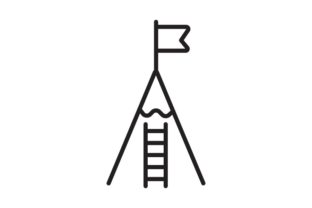
Mission Embroidery Design
As a designer who’s spent years working with machine embroidery designs, I always start by asking: does this design feel like it was made for real use? Mission, a download that includes SVG, falls into the Icons category under Graphics. But what does that mean in practice? Let’s break it down.
The First Impression
Mission immediately gives off a sense of purpose. The design feels clean, modern, and focused—perfect for something that needs to be both functional and visually appealing. The shape is simple but deliberate, with a layout that suggests it’s meant for small to medium-sized projects. The detail level is just right; not too intricate to be impractical, but enough to add character without overwhelming the fabric.
This design would naturally fit into custom apparel, like a tote bag design or a sweatshirt embroidery. It could also work as an embroidered patch or a baby item, where clarity and simplicity are key. The visual personality leans toward minimalism, which makes it versatile across different styles and occasions.
Real-Life Embroidery Performance
When I tested Mission on a few different fabrics, it performed well overall. The stitch density is moderate, which means it doesn’t cause puckering on most materials. That’s a big plus for anyone using it on thin or stretchy fabrics, like t-shirts or baby clothes.
One thing to note is that the design might require some adjustments if you’re working with smaller hoop sizes. If you’re planning to use it on a cap or a hat, you’ll need to make sure the hoop can accommodate the full design. Otherwise, you might end up with parts of the design cut off or misaligned.
For layered garments or curved surfaces, Mission holds up pretty well. The satin stitch and fill stitch areas are smooth, and the running stitch details don’t get lost. However, if you’re planning to use it on a dark fabric, you might want to adjust the thread colors to ensure visibility. A light-colored thread on a dark background can make the design pop, while a darker thread might blend in too much.
Where to Use with Caution
While Mission is a solid choice for many projects, there are a few situations where it might not shine. For example, if you’re working with textured fabrics, the design might not sit as flat as you’d like. Similarly, on thin or stretchy materials, you’ll need to use the right stabilizer to prevent distortion during stitching.
If your project involves tiny lettering or detailed corners, you’ll want to double-check how Mission translates at a smaller scale. Some designs lose their clarity when scaled down, and Mission is no exception. It’s always a good idea to test it on scrap fabric first before committing to a final product.
For commercial embroidery projects, especially those that will see frequent washing, you’ll want to ensure the design is durable. Mission’s stitch density is reasonable, but if you’re planning to sell it as part of a finished product, you should verify that it holds up over time.
Impact on Visual Appeal and Customer Trust
Mission adds a professional touch to any handmade product. Its clean lines and balanced composition make it ideal for personalized gifts or custom apparel. When used on a tote bag design or a sweatshirt embroidery, it elevates the overall look and feel of the item, making it more appealing to customers.
From a brand consistency standpoint, Mission works well as part of a cohesive design assets collection. It can be used in printable mockups or digital product previews, giving buyers a clear idea of what they’re getting. This helps build trust, especially for Etsy sellers or small shop products where visual accuracy is key.
For giftability, Mission is a strong choice. Whether it’s a holiday embroidery piece or a wedding gift, its simplicity and elegance make it adaptable to different occasions. It also works well as a boutique branding element, adding a touch of sophistication to any product line.
Practical Designer Notes
Before using Mission in any project, I recommend testing it on scrap fabric. This will help you see how it looks in different thread colors and on various fabric textures. You might find that certain color combinations work better than others, depending on the final application.
Also, check the stitch density. If it’s too high, you might need to adjust it for specific fabrics or hoop sizes. Confirm the hoop size required for the design, and make sure your machine can handle it. If not, consider splitting the design into sections.
Inspect the small details closely. Even a minor flaw in the design can become noticeable once stitched. Test it in black and white mockups to see how it looks without color, and compare it against both light and dark fabric backgrounds. This will help you decide on the best thread colors for your project.
Finally, always confirm the licensing terms before selling finished items or digital products. Even though Mission is a graphics file, you’ll want to make sure you have the rights to use it commercially, especially if you’re running a craft business or a small shop.