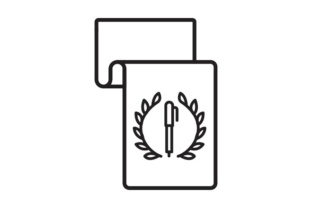
Legal Document Embroidery Design
First Impressions of Legal Document
When I first opened the Legal Document embroidery file, I was struck by its clean, professional aesthetic. The design is minimal yet impactful, with a strong visual identity that feels immediately recognizable. The layout is straightforward, making it easy to integrate into various projects without feeling cluttered or overwhelming.
The theme of Legal Document leans toward formal and structured elements, which makes it ideal for business-related embroidery or items that require a sense of authority and trustworthiness. It’s not overly ornate, but the level of detail is sufficient to create a polished look when stitched out.
Real-World Use Cases for Legal Document
This design shines in custom apparel, especially on sweatshirts and tote bags where a bold, clear image is essential. It also works well as an embroidered patch for jackets or backpacks, adding a touch of professionalism to any garment.
For baby items, Legal Document could be used on onesies or burp cloths, though the design may feel a bit too formal for playful nursery decor. However, it could serve as a subtle, elegant accent on a baby blanket or a personalized gift for a legal professional.
In the realm of holiday gifts or wedding gifts, Legal Document might not be the most obvious choice, but it could work as a unique, sophisticated element on a decorative pillow or a personalized apron.
Performance in Different Embroidery Situations
Legal Document performs well on most standard fabrics, but its effectiveness depends on the project’s scale and the fabric type. On thick or textured materials, the design may lose some clarity, so careful attention to stitch density and stabilizer use is important.
For small hoop sizes, this design may require some adjustments, as the details could become compressed or distorted. It’s best suited for medium to large hoops where the full scope of the design can be maintained.
On dark fabrics, the contrast between the design and the background is crucial. If the thread color doesn’t stand out enough, the design may appear washed out. Testing on different fabric colors is recommended before finalizing any project.
Where to Use Legal Document with Caution
When working with thin or stretchy fabrics, extra care must be taken to prevent puckering or distortion. A proper stabilizer is essential to ensure the design remains intact during stitching.
Curved surfaces like caps or hoods can be challenging for designs with intricate corners or fine lines. Legal Document may not hold up as well on these surfaces, so alternative placements or simplified versions might be necessary.
For products that will see frequent washing, the durability of the stitches becomes a concern. Ensuring the design is properly secured with the right stabilizer and stitch density can help maintain its appearance over time.
Impact on Visual Appeal and Customer Perception
Legal Document adds a sense of professionalism to any embroidered item. Its clean lines and structured layout make it ideal for handmade products that aim to convey reliability and quality. Customers are more likely to trust a design that looks well-crafted and intentional.
As a personalized gift or custom apparel item, Legal Document can elevate the perceived value of the finished product. It’s a great choice for small businesses looking to offer premium, branded merchandise that stands out from the crowd.
For Etsy sellers or craft fair vendors, this design offers a versatile option that can be adapted to various products. Its simplicity allows for creative flexibility while maintaining a high level of visual appeal.
Practical Designer Notes for Using Legal Document
Before committing to a project, always test the design on scrap fabric. This helps identify any potential issues with stitch density, thread color contrast, or fabric compatibility.
Review the stitch density to ensure it matches the intended use. Dense areas may require additional stabilizer, while sparse areas might need reinforcement to avoid fading or fraying.
Confirm the hoop size needed for the design. If the design is too large for your machine’s hoop, consider splitting it or adjusting the layout for better fit.
Inspect small details closely. Tiny lettering or intricate elements may not translate well on certain fabrics or under specific lighting conditions.
Test the design in black and white mockups to see how it appears without color. This can help determine if the design needs adjustments for visibility on different backgrounds.
Compare the design on both light and dark fabrics to ensure it maintains its clarity and impact in all scenarios.
Use the appropriate stabilizer for the fabric type. This can prevent puckering, stretching, or distortion during the embroidery process.
Verify whether the design is suitable for both personal and commercial projects. Check the licensing terms before selling finished items or digital products to avoid any legal issues.
Conclusion: Legal Document in Action
Legal Document is a versatile embroidery design that fits well into a range of projects, from custom apparel to boutique merchandise. Its clean, structured style makes it ideal for professional settings, while its simplicity allows for creative adaptation in various formats.
With proper testing and consideration for fabric type, hoop size, and stitch density, this design can enhance the quality and appeal of any handmade or commercial embroidery project. Whether you're an Etsy seller, a small shop owner, or a hobbyist, Legal Document offers a reliable and stylish option for your next embroidery endeavor.