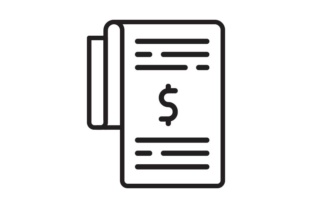
Invoice Embroidery Design Review
First Impressions of Invoice
When I first opened the Invoice embroidery file, I was struck by its clean, modern aesthetic. The design is minimalist yet intentional, with a layout that feels both professional and approachable. It’s clear that this is an icon designed for clarity and versatility. The shape is straightforward, making it ideal for projects where simplicity is key.
The theme of Invoice leans into a business or financial context, but its design is subtle enough to work in a variety of settings. It doesn’t scream “corporate” but still carries a sense of sophistication. This makes it a great fit for custom apparel, small business merchandise, or even personalized gifts that need a touch of elegance without being over the top.
The detail level is moderate, which means it won’t overwhelm smaller hoop sizes or delicate fabrics. However, it does have enough definition to stand out on items like tote bags, sweatshirts, or baby clothes. Overall, Invoice feels like a design that could be used in both casual and semi-formal settings.
Real-Life Embroidery Applications
As an embroidery designer, I often think about how a design will translate from screen to fabric. Invoice has a lot of potential in real-life projects. For example, if I were creating a custom embroidered tote bag for a client, this design would be a solid choice. Its size and structure make it easy to place on a large surface, and the minimal details ensure it won’t get lost in the stitching process.
It also works well for sweatshirt embroidery, especially for businesses looking to add a unique touch to their branding. The design isn’t too intricate, so it can be stitched quickly without sacrificing quality. If I were running a craft fair booth, I’d consider using Invoice on aprons or pillow covers—items that are both functional and visually appealing.
For baby items, such as onesies or blankets, Invoice could be a subtle but meaningful addition. It’s not too bold, which is important when working with soft, stretchy fabrics. Plus, its clean lines make it easy to stitch on thin materials without causing puckering or distortion.
Where to Use Invoice Carefully
While Invoice is versatile, there are some situations where it might not perform as well. Small hoop sizes, for instance, could be a challenge. The design’s dimensions may require a larger hoop to maintain accuracy, especially if you’re working on a detailed corner or a curved surface like a cap.
Textured fabrics or thin materials might also pose issues. If the fabric is too delicate, the stitches could show through or cause damage. Similarly, stretchy fabrics may cause the design to distort during the embroidery process. In these cases, using the right stabilizer is crucial to keep the design in place and prevent shifting.
Dark fabrics can be another consideration. While Invoice is mostly outlined, the contrast between the thread color and the background needs to be strong enough to make the design visible. If the design is too light on a dark background, it might not look as intended. Testing on different fabric types is always a good idea before committing to a full project.
Impact on Visual Appeal and Customer Perception
Invoice adds a professional touch to any finished product. Its clean lines and simple form contribute to a polished look that customers are likely to appreciate. Whether it’s on a personalized gift or a commercial item, the design enhances the overall visual appeal without overwhelming the piece.
Stitching clarity is important for customer trust. If the design looks messy or unclear, it can turn buyers off. Fortunately, Invoice’s structure allows for clear, consistent stitching. This makes it a reliable choice for handmade products, especially those sold on platforms like Etsy or at craft fairs.
From a branding perspective, Invoice is a solid asset. It can be used across various items to create a cohesive look for a small shop or boutique. Whether it’s on a tote bag, a patch, or a printable mockup, the design maintains its integrity and contributes to a professional image.
Practical Designer Notes
Before using Invoice in a project, I always recommend testing it on scrap fabric. This helps determine how the design will look on your chosen material and whether any adjustments are needed. Checking thread color contrast is also essential, especially if you're using it on dark or light backgrounds.
Reviewing stitch density is another key step. If the design is too dense, it might cause the fabric to pucker or the stitches to become too stiff. Conversely, if it's too sparse, the design might not hold up well over time. Confirming the hoop size is important too—make sure the design fits comfortably within your machine’s capabilities.
Inspecting small details, like corners or lettering, can reveal issues that aren’t obvious at first glance. Testing the design in black and white mockups helps assess how it will look in different contexts. Comparing it on light and dark fabrics ensures it remains visible and effective in all scenarios.
Using the proper stabilizer is critical, especially for delicate or stretchy fabrics. It helps maintain the design’s shape and prevents distortion. Also, make sure the design works for both personal and commercial projects, and confirm the licensing terms before selling finished items or digital products.
Final Thoughts on Invoice
In summary, Invoice is a practical and stylish embroidery design that can be used in a wide range of projects. Its clean, modern look makes it suitable for custom apparel, small business merchandise, and personalized gifts. While it has some limitations in certain situations, it’s generally reliable and easy to work with.
Whether you’re an Etsy seller, a craft business owner, or a hobbyist, Invoice offers a versatile option that can enhance your designs without complicating the process. With careful planning and testing, it can become a valuable addition to your embroidery collection.