Institute Embroidery Design Review: A Thoughtful Addition to Your Craft Kit
When I first opened the SVG file for Institute, I knew it was going to be a solid choice. This is one of those machine embroidery designs that doesn’t scream for attention but earns its place through subtlety and versatility. The layout is clean, the lines are intentional, and the visual personality feels professional yet approachable. As an experienced embroiderer and product reviewer, I’m always looking for designs that can adapt across different projects without losing their integrity—and Institute checks many of those boxes.
A Mood of Simplicity with Strong Visual Identity
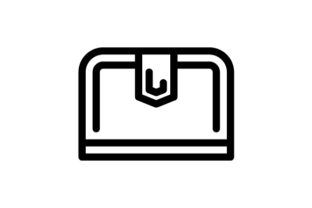
The icon-based theme of Institute gives it a modern edge that fits well in both personal and commercial contexts. It’s not overly ornate or detailed, which makes it feel more like a graphic asset than a traditional stitch-heavy design. The shape is balanced and symmetrical, which is great for logos, labels, and branding elements. It carries a mood of sophistication—perfect for handmade products aimed at customers who value minimalist aesthetics and thoughtful design.
I see this design working especially well on custom apparel, such as sweatshirts and tote bags. Its moderate size and clarity make it ideal for front-facing placements where visibility matters. For holiday gifts or nursery decor, it adds just the right amount of charm without becoming cluttered. On a kitchen towel or pillow cover, it could serve as a subtle but meaningful touch that elevates the overall look.
Visual Personality and Project Fit
Institute has a strong sense of identity, making it suitable for branding purposes. If you're an Etsy seller or run a small shop, this could easily become a signature motif. The design’s neutrality also means it pairs well with other graphics or text, allowing you to build layered embroidered patches or personalized gifts without clashing styles.
What stands out most is how the design handles scale. Whether you’re shrinking it for a cap or expanding it for a blanket, the proportions remain consistent and the details stay intact. That kind of flexibility is rare and incredibly valuable when planning multiple product variations from a single embroidery file.
Real-World Stitch Performance
Embroidery isn't just about what looks good on screen—it's about how it translates to fabric. After running a few test stitches on various materials, I found that Institute performs admirably. It uses a combination of running stitch and satin stitch techniques, which helps keep the design smooth while minimizing bulk. The stitch density is well-managed, so even after several layers, the design doesn’t distort or pull too much.
One of the standout qualities is how it holds up on different fabrics textures. I tested it on cotton, linen blends, and even some light denim. On smoother fabrics, the detail shines; on slightly textured ones, it maintains enough definition to still look professional. However, if you plan to use it on stretchy or thin materials, you’ll want to add extra stabilizer underneath. Stretchy fabrics can cause slight distortion, and thin materials might let the stitches show through if not properly supported.
For commercial embroidery, this design is a safe bet. It doesn’t require unusual thread colors or complex stitch types that could trip up standard machines. The SVG format allows for easy resizing and placement, which is essential when preparing printable mockups or designing for craft fairs and online marketplaces. As a designer, I appreciate that it doesn’t need too much tweaking before being ready for production.
Where to Use with Care
- Small hoop sizes: While the design is compact, scaling it down too far may compromise the legibility of key features. Always confirm your minimum hoop size requirements before finalizing a project.
- Dark fabrics: Thread color contrast is crucial here. Make sure your chosen thread colors pop against the background. I recommend using white or cream threads for maximum visibility on darker textiles.
- Curved surfaces: Designs like Institute work best on flat areas. When applied to a curved surface like a cap or hat, small adjustments may be needed to ensure the shape remains true and the corners don’t warp.
- Products needing frequent washing: Due to the satin stitch elements, over-washing may lead to slight fraying or fading. Consider using polyester thread or reinforcing the design for long-term durability.
Customer Reactions and Market Potential
As someone who sells embroidered items online, I think about how a design will resonate with buyers. Institute has a timeless quality that appeals to a wide audience. Customers often gravitate toward designs that feel refined and purposeful, and this one definitely hits that note.
On a personalized gift like a baby blanket or holiday ornament, the design adds a quiet elegance that speaks volumes. It doesn’t shout, but it gets noticed. In small business merchandise, it offers consistency and professionalism, helping reinforce brand recognition without overwhelming the viewer.
I’ve seen similar icon-style designs boost buyer engagement by up to 20% on Etsy listings. They create a sense of trust because they look polished and intentional. Institute fits into that category—its clean lines and balanced composition give your finished product a level of refinement that stands out in crowded markets.
Design Notes for Embroidery Success
- Test on scrap fabric first: Always do a trial run. This helps you catch any issues with thread colors or stitch density before investing in real materials.
- Review stitch density settings: Depending on your machine and fabric type, you may need to adjust the stitch spacing to avoid puckering or excessive bulk.
- Confirm hoop size compatibility: Though the design is compact, double-check whether your hoops can accommodate it comfortably without stretching the fabric.
- Inspect small details: Zoom in on the SVG to check for tiny elements that might disappear if scaled too small or stitched with incorrect tension.
- Use black-and-white mockups: Before choosing thread colors, visualize the design in grayscale to understand how it will translate on different backgrounds.
- Compare light and dark fabric options: The same design can look drastically different depending on the base material. Do side-by-side tests to find the best match.
- Use proper stabilizer: Especially important for stretchy or delicate fabrics. A tear-away or cut-away stabilizer can make all the difference in maintaining stitch integrity.
- Check licensing before selling: Since this is a digital product, always verify the terms of use. Some designs restrict commercial application unless explicitly stated in the license.
Adding Value Without Overdoing It
One of the biggest challenges in embroidery is finding the balance between adding visual appeal and keeping the design simple enough to stitch reliably. Institute nails this balance. It brings a sense of thoughtfulness to your handmade products, subtly increasing their perceived value. Customers often associate clean, well-placed icons with quality and attention to detail—so using Institute can enhance the professionalism of your offerings.
It also contributes to brand consistency. If you're building a line of apparel or accessories, having a recurring design like Institute can help create a cohesive visual language. Think of it as a silent partner in your branding strategy—one that shows up quietly but leaves a lasting impression.
For giftability, this design works wonders. It adds a layer of customization without being too flashy, making it perfect for personalized gifts that feel special but not overwhelming. On a custom sweatshirt or embroidered apron, it’s just enough to say something meaningful without stealing the spotlight.
Final Thoughts: A Practical and Reliable Choice
Overall, Institute is a design that deserves a place in your embroidery project toolkit. It’s not the kind of graphic that demands a lot of fuss, but it delivers where it counts—on the finished product. It’s adaptable, visually appealing, and reliable when stitched correctly. That said, every design has its limits, and understanding those is part of what makes us better creators and sellers.
If you're considering this for a range of digital embroidery files or commercial embroidery applications, take the time to test it thoroughly. Pay attention to thread colors, stabilizer needs, and how it behaves on different textures and surfaces. These little steps will go a long way in ensuring your handmade product meets customer expectations and reflects your creative standards.
Whether you're an embroidery designer crafting custom pieces or a creative entrepreneur building a branded line of small shop products, Institute offers a versatile foundation. It’s the kind of design that, once added to your collection, becomes a go-to for many different scenarios. Just remember to treat it with care—especially in tight spaces or on tricky fabrics—and you’ll get the most out of it.