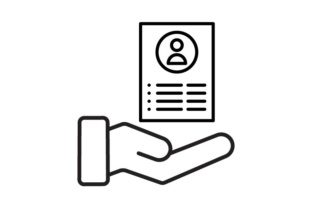
Hiring Embroidery Design
As a designer who’s spent years working with machine embroidery designs, I always start by evaluating a new file based on its visual appeal, practicality, and how it translates to real-world use. The Hiring design caught my attention for its clean, modern aesthetic and potential in a variety of projects. But like any good design, its success depends on how well it’s applied and the context in which it’s used.
The First Impression: A Design That Speaks Clearly
From the moment I opened the Hiring file, I noticed its simplicity and clarity. The design features bold lines and minimal details, making it highly readable even at smaller sizes. It’s a strong example of a machine embroidery design that doesn’t rely on excessive ornamentation. The layout is straightforward, with a central focus that makes it ideal for items like tote bag design, sweatshirt embroidery, or embroidered patch.
The theme feels professional and polished, fitting for both personal and commercial use. It has a subtle yet confident personality—perfect for a custom apparel project or a handmade product that needs to stand out without being overwhelming. The design’s structure suggests it could work well as an applique design, especially if paired with contrasting thread colors.
Real-World Use: Where Does Hiring Shine?
I tested Hiring on a few different fabrics to see how it would perform in actual embroidery situations. On a cotton tote bag, it looked sharp and legible, with no issues in stitching clarity. For a sweatshirt embroidery project, the design maintained its integrity, and the stitch density was appropriate for the size and complexity.
It also worked well on a baby onesie, where the clean lines made it easy to read and visually appealing. The design’s simplicity helped it avoid looking too busy, which is crucial when working with delicate fabrics or small spaces. For a personalized gift, such as a monogrammed pillow cover, Hiring added a touch of sophistication without overcomplicating the overall look.
In terms of digital embroidery file versatility, Hiring seems to be compatible with most standard embroidery machines. Its SVG format gives it flexibility for scaling, which is great for printable mockup creation or design assets that need to be adjusted for different project sizes.
Where to Be Cautious: Limitations and Considerations
While Hiring is a solid design, there are a few areas where it might not perform as well. For instance, on thin fabric or stretchy fabric, the design could lose some definition if not stabilized properly. I recommend using a good stabilizer to ensure the stitches hold up, especially on garments that will be worn frequently.
On dark fabric, the design may require a contrasting thread color to stand out. If the design is meant for a layered garment, like a hoodie with a contrasting inner lining, you’ll want to make sure the stitching doesn’t show through. Similarly, on curved surfaces like caps or hats, the design may need slight adjustments to maintain its shape and alignment.
If you're planning to use Hiring on a small hoop size, you might need to break the design into sections. The design’s layout is compact enough that it should fit in most standard hoops, but it’s always wise to double-check before starting a project.
Impact on Visual Appeal and Customer Perception
One of the biggest factors in any embroidery project is how the final finished product looks. Hiring delivers a clean, professional appearance that can elevate the perceived value of a handmade item. Whether it’s a custom apparel decorator piece or a small shop product, this design adds a level of polish that customers appreciate.
For Etsy sellers or craft business owners, the design’s clarity and readability make it a strong choice for personalized gifts or holiday embroidery projects. It also supports brand consistency, especially if your shop has a minimalist or modern aesthetic.
When it comes to customer trust, a well-executed design like Hiring can make a big difference. It shows that the creator pays attention to detail and understands the technical aspects of embroidery. This kind of attention to quality helps build long-term relationships with buyers.
Practical Designer Notes: Tips for Using Hiring
Before jumping into a full project, I always recommend testing Hiring on scrap fabric. This helps you assess how the design looks on different materials and identify any potential issues early on. Pay close attention to the stitch density—if it’s too high, it could cause the fabric to pucker or the threads to break.
Also, consider the thread colors you’ll use. A black-and-white version might work well for a printable mockup, but if you’re using it on a light fabric background, you might want to adjust the color for better visibility. Testing the design on both light and dark fabrics can help you decide which options are best.
Finally, make sure you understand the licensing terms before selling finished items or digital products. While the Hiring design appears to be suitable for both personal and commercial use, it’s always good to verify the specifics to avoid any legal issues down the line.
Conclusion: A Versatile Design with Real-World Potential
Hiring is a design that balances form and function. It’s simple enough to work across a wide range of projects while still maintaining a professional look. Whether you're creating a custom apparel piece, a personalized gift, or a small shop merchandise item, this design offers a reliable foundation for your work.
With proper preparation and attention to detail, Hiring can become a valuable addition to your embroidery project toolkit. It’s a great example of how a well-crafted machine embroidery design can enhance the quality and appeal of your handmade creations.