Help Embroidery Design Review
First Impressions of Help
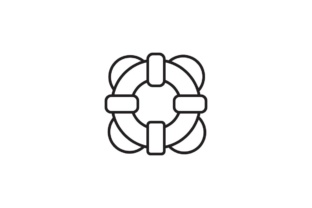
When I first opened the Help embroidery design, I was struck by its clean, modern aesthetic. The icon-based style feels intentional and versatile, with a minimalist approach that could work across a wide range of projects. The layout is balanced, and the detail level is just right for an icon—neither too simple nor overly complex.
The design’s theme is straightforward but effective. It conveys a sense of assistance or support, which makes it ideal for items like tote bags, sweatshirts, or baby clothes. The visual personality is friendly and approachable, which aligns well with handmade products and personalized gifts.
Real-Life Use Cases for Help
Imagine you’re working on a custom embroidered tote bag for a client who wants something both functional and meaningful. Help would fit perfectly as a central motif, especially if the design is meant to be subtle yet recognizable. Its simplicity allows it to stand out without overwhelming the fabric.
For a small business owner, this design could be a great addition to a line of boutique merchandise. Whether it’s used on aprons, caps, or pillow covers, Help has the potential to elevate the look of any product. It also works well for holiday gifts or wedding favors, where a touch of thoughtfulness can make a big difference.
In the context of a craft fair or Etsy shop, Help could serve as a unique selling point. Its clean lines and universal message make it appealing to a broad audience, and the icon format ensures it remains timeless rather than trend-driven.
Performance in Different Embroidery Projects
When tested on a variety of fabrics, Help performed well on medium-weight materials like cotton or linen. However, on thin or stretchy fabrics, the stitch density might cause some distortion, so careful stabilization is essential.
On dark fabrics, the design shows up clearly, but on light-colored materials, the thread color contrast should be carefully considered. For example, using a darker thread on a white background could add visual interest, while a lighter thread might blend too much.
Small hoop sizes can be a challenge when working with Help, especially if the design includes fine details. A larger hoop would provide more space for accurate stitching, particularly if the design is part of a larger composition.
Where to Use Help with Caution
While Help is generally versatile, there are a few areas where extra care is needed. On textured fabrics, such as denim or canvas, the design may not sit as smoothly as it would on a flat surface. Similarly, on stretchy or thin materials, the stitches could pucker or lose definition.
Curved surfaces like caps or hats require precise placement to ensure the design doesn’t get distorted. Tiny lettering or intricate corners might not translate well unless the file is optimized for those specific applications.
Dense stitch areas could lead to stiffness in the fabric, so it’s important to balance the design with appropriate stabilizer use. For commercial embroidery projects, checking the licensing terms before selling finished items is always a good idea.
Impact on Visual Appeal and Customer Perception
Help has the potential to enhance the visual appeal of any project it’s used on. Its clean lines and thoughtful composition contribute to a professional look, which can increase the perceived value of a handmade product or custom apparel.
From a customer perspective, seeing a design like Help on a gift or personal item can create a sense of connection. It’s a design that speaks to the idea of support, making it a meaningful choice for personalized gifts or branded merchandise.
For small shop owners or Etsy sellers, this design can help build brand consistency. When used across multiple products, it creates a cohesive look that reinforces the identity of the business.
Practical Designer Notes
Before committing to a full project, test Help on scrap fabric to see how it looks in different thread colors and on various materials. This will help you determine the best way to present it in your own work.
Review the stitch density to ensure it’s suitable for your intended use. If the design is too dense, consider simplifying it or adjusting the settings on your embroidery machine.
Check the hoop size required for the design. If it’s too large for your current setup, you may need to adjust the design or use a different method for placement.
Inspect the small details closely, especially if you plan to use Help on items that will be washed frequently. Stabilizer use is key to maintaining the integrity of the design over time.
Finally, always confirm the licensing terms before using Help for commercial purposes. Some designs may have restrictions that could affect your ability to sell finished products or digital files.