Certification Embroidery Design
First Impressions of Certification
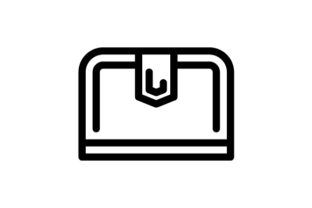
When I first opened the Certification embroidery file, I was struck by its clean, modern aesthetic. The design feels professional and intentional, with a layout that suggests it was created for clarity and impact. The icon-based theme gives it a versatile edge, making it suitable for a wide range of projects. Its simplicity doesn’t mean it lacks personality—it has a quiet confidence that makes it stand out in a crowd.
What Project Does Certification Belong To?
Certification feels like it was made for custom apparel, especially items like tote bags, sweatshirts, and baby clothes. It has a look that’s both polished and approachable, which makes it ideal for handmade products or small business merchandise. The design’s structure also suggests it could work well as an embroidered patch or a decorative element on aprons and kitchen towels. It’s the kind of design that can elevate a basic item into something special without overwhelming it.
Real-Life Embroidery Scenarios
Imagine you’re working on a custom embroidered tote bag for a client who wants something unique but not too flashy. Certification would fit perfectly here. It’s detailed enough to make an impression but not so intricate that it becomes a distraction. On a sweatshirt, it would add a touch of professionalism that appeals to customers looking for quality craftsmanship.
For baby items, Certification could be a subtle yet meaningful addition to onesies or blankets. Its clean lines make it easy to read, even on smaller sizes. As a holiday gift, it could be used on pillow covers or personalized mugs, adding a thoughtful, handmade touch that resonates with recipients.
Where to Use Certification Carefully
While Certification is a strong design, there are situations where it might not perform as well. If you’re working with small hoop sizes, the design’s details could become lost or distorted. On textured fabrics or thin materials, the stitch density might not show up as clearly as it should. Stretchy fabrics could cause the design to shift during stitching, leading to misalignment.
On dark fabric, the design might not contrast well unless you choose the right thread colors. For layered garments or curved surfaces like caps, the design’s corners and edges might not sit as smoothly as they would on flat, stable surfaces. Tiny lettering or dense stitch areas could be challenging to execute without careful planning.
How Certification Affects Visual Appeal and Value
Certification adds visual appeal through its balance of detail and simplicity. It’s the kind of design that can make a finished product feel more premium, which in turn increases its perceived value. Customers often associate well-executed embroidery with quality, and Certification delivers on that front.
For handmade products, this design can enhance the overall presentation, making your work stand out in a competitive market. It also helps build customer trust, as a clean, professional-looking embroidery can signal that you take your craft seriously. Whether you’re selling on Etsy or at a craft fair, Certification can help your products catch the eye and hold the attention of potential buyers.
Practical Designer Notes
Before using Certification in any project, I recommend testing it on scrap fabric. This will give you a sense of how the design looks in real life and how it interacts with different materials. Pay close attention to thread color contrast—especially if you’re using dark or light backgrounds. A mismatched color can make the design look washed out or unprofessional.
Review the stitch density to ensure it’s appropriate for your project. If the design is too dense, it might cause puckering or distortion on certain fabrics. Confirm the hoop size required for the design to avoid issues with placement or alignment. Inspect small details closely, as some elements might need adjustment for optimal results.
Testing Certification in Different Contexts
Try using Certification in black and white mockups to see how it translates without color. This can help you understand its versatility and how it might look on different fabric types. Compare it against both light and dark fabric backgrounds to determine the best thread choices. Using the right stabilizer is essential, especially for delicate or stretchy materials.
Make sure the design works for both personal and commercial projects. If you plan to sell finished items or digital products, double-check the licensing terms before proceeding. Certification could be a valuable addition to your design assets, especially if you’re creating printable mockups or digital product previews for clients.
Final Thoughts on Certification
Certification is a solid machine embroidery design that offers a balance of style and functionality. It’s well-suited for a variety of projects, from custom apparel to personalized gifts. While it requires careful consideration in certain scenarios, its overall performance is reliable and professional.
As an embroidery designer, I’d feel confident using Certification in my own projects or recommending it to clients. It’s a design that respects the craft while delivering clear, practical results. Whether you’re running a craft business or just starting out, Certification could be a useful addition to your collection of embroidery files.