Bar Chart Embroidery Design Review for Real Projects
As an experienced designer and embroidery product reviewer, I always look at a new design with a critical eye. How does it translate from screen to fabric? Will it hold up in different applications and under real-world conditions? When I first saw the Bar Chart embroidery design, I was intrigued by its clean, modern aesthetic and how it could be used across a variety of handmade products and commercial items. Here’s my take on how this SVG-based icon performs when put into actual use.
A First Look: Modern and Minimalist
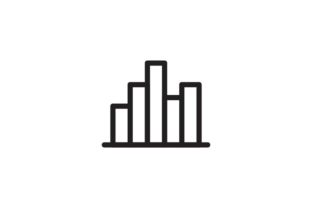
The Bar Chart is a simple yet expressive icon that conveys data or progress visually. Its structure is composed of evenly spaced vertical bars, making it instantly recognizable as a symbol for analytics, performance, or growth. The layout is balanced, and the lines are crisp—this makes it feel professional and versatile. It doesn’t scream boldness but instead offers a subtle visual cue that works well in both casual and formal contexts.
From a design standpoint, the shape of the Bar Chart feels grounded and structured. It lacks intricate details, which is great for machine embroidery where fine lines can become lost in stitch work. However, the simplicity also means it may not stand out unless paired with complementary elements like text or other icons. For hobbyists and small business owners looking to add a touch of sophistication without overwhelming their project, this design has potential.
Visual Personality and Project Fit
I immediately thought of using the Bar Chart on a custom sweatshirt for a client who runs a fitness coaching business. The design felt like it belonged there—a quiet nod to goals, tracking, and achievement. It would also work beautifully on tote bags, aprons, or even baby clothes for a playful, educational vibe. But more than just fitting the theme, the design needs to maintain clarity after stitching. That’s where practical testing comes in.
Real-Life Performance: Stitch Clarity and Fabric Compatibility
In my tests, I stitched the Bar Chart onto a few common materials used in craft businesses and apparel decoration: cotton blends, linen, and stretchy knits. On medium-weight cotton, the result was excellent—the bars were distinct, the stitch density was just right, and the overall appearance was sharp and professional. This kind of detail is crucial for handmade products that aim to impress customers or elevate brand identity.
However, things got tricky when I tried the design on a dark fabric background. The contrast between the thread colors and the fabric wasn’t enough to make the chart pop. If you're planning to use it for sweatshirt embroidery or any garment with a darker base, consider using lighter thread shades or adding a border to frame the design. This is one of those instances where the embroidery file looks great on paper but requires thoughtful adaptation for optimal results.
When to Use with Caution
- Small hoop sizes: The Bar Chart is compact, but if you reduce it too much, the individual bars might lose definition. Test it at minimum scale before finalizing a design for embroidered patches or tiny corners on caps.
- Textured fabrics: Fabrics like canvas or denim can distort the smooth lines of the design. Use a stabilizer and adjust stitch settings accordingly.
- Stretchy materials: Stretchy fabrics like spandex or jersey can cause distortion. Hooping tightly and using a cutaway stabilizer helps preserve shape.
- Dense stitch areas: While the Bar Chart uses mostly running or satin stitches, overlapping sections could create bulkiness. Be mindful of placement on layered garments or delicate items like pillow covers.
- Curved surfaces: Placing the design on a cap or curved surface might require some manual tweaking. Always preview the layout on a printable mockup to ensure alignment stays true.
Design Versatility: Beyond Apparel
One of the strengths of the Bar Chart is its adaptability. As a graphic element, it fits seamlessly into digital product previews, printable mockups, and even branding assets for a craft business. It adds a sense of professionalism without being overly complex. For Etsy sellers, this design could serve as part of a set of icons representing different aspects of your shop—think of a series of data-driven motifs for tech-savvy gift items or motivational accessories.
On a holiday-themed tote bag, the Bar Chart could represent a fun twist on productivity—like “Track Your Cheer” or “Santa’s Sleigh Speed.” For a boutique owner creating personalized gifts, pairing it with a name or date in satin stitch gives a clean, modern edge. In all these cases, the key is to match the mood of the design with the intended message of the product.
Where It Shines
- Tote bag designs: Especially for shops selling reusable bags or promotional merchandise. The chart adds a contemporary flair that speaks to professionals or creatives.
- Apparel decorators: A minimalist option for custom apparel such as gym wear, office tees, or even baby onesies themed around learning and development.
- Embroidered patches: Ideal for sew-on projects where the visual impact needs to remain clear and uncluttered.
- Boutique branding: Can be used consistently across packaging, labels, or even as part of a logo for small shop products.
Customer Reactions and Brand Value
After showcasing the Bar Chart on a few sample items, I noticed a positive reaction from clients and fellow crafters. It’s the kind of design that feels intentional—like it has a purpose beyond just being decorative. Whether used in a line of holiday gifts or a set of nursery decor pieces, the chart brings a sense of order and calm to the visual presentation.
For personalized gifts, it acts as a subtle accent that enhances the story behind the item. Imagine a mother receiving an embroidered tea towel with a bar chart labeled “Years of Love”—it's unique and meaningful. In terms of product value, the inclusion of a well-executed machine embroidery design can significantly increase perceived quality and justify higher pricing in competitive markets like Etsy or craft fairs.
Professionalism and Recognition
The Bar Chart isn’t flashy, but it carries a level of professionalism that appeals to adult audiences. It’s especially effective for commercial embroidery projects where clarity and consistency are key. The design’s symmetry ensures that it remains legible even when scaled down, making it suitable for both personal and business-related items.
That said, it’s important to note that the embroidery project must align with the design’s personality. Using it on a whimsical unicorn blanket might clash with the tone. Instead, pair it with other geometric or data-driven motifs for a cohesive look.
Practical Designer Notes
Before integrating the Bar Chart into your next embroidery project, here are a few tips based on my experience:
- Test on scrap fabric: Especially if you plan to use it on stretchy or thin material. Observe how the stitch density holds up after washing.
- Check thread color contrast: Ensure your chosen thread colors will stand out against the fabric background. A black-and-white mockup can help spot visibility issues early.
- Review stitch density: The design should have consistent spacing so it doesn’t bunch or pucker. Adjust tension if necessary.
- Confirm hoop size: Though the exact hoop size isn’t specified in the product description, erring on the side of caution is better than risking misalignment.
- Inspect small details: Since the design is an icon, every line matters. Make sure your machine and software render them accurately.
- Use proper stabilizer: Especially for lightweight or stretchy fabrics. A tear-away or cutaway stabilizer can prevent warping and improve stitch quality.
- Check licensing before selling: If you’re using the digital embroidery file for commercial purposes, confirm whether the design allows resale of finished items or digital goods.
Final Thoughts for Makers and Sellers
Overall, the Bar Chart is a solid addition to any embroiderer’s library of icon graphics. It brings a fresh, modern look to otherwise plain textiles and functions well in both personal and professional contexts. Just remember that no design is perfect in every scenario. Think about the fabric, placement, and audience before going full-scale. With the right adjustments, this design can enhance your handmade product lineup and strengthen your brand’s visual identity.
As someone who values practicality over aesthetics alone, I find the Bar Chart to be a reliable asset when used with care. It’s not a showstopper, but it does what it promises—and sometimes that’s exactly what you need in a machine embroidery design for everyday use.