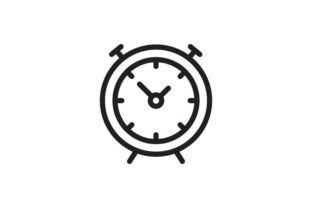
Alarm Clock Embroidery Design Review
First Impressions of the Alarm Clock Design
The Alarm Clock design immediately catches the eye with its clean, modern aesthetic. The shape is well-proportioned, and the layout feels balanced, making it ideal for a variety of embroidery projects. The theme is straightforward—functional and nostalgic, yet updated with a contemporary edge. It’s the kind of design that could easily be used in both casual and more refined settings.
The level of detail is just right. It’s not overly complex, which means it can be stitched efficiently without compromising quality. The visual personality of the design is friendly and approachable, making it a good fit for handmade products, personalized gifts, and custom apparel.
Real-World Use Cases for Alarm Clock
Imagine you're preparing a custom embroidered tote bag for a client who wants something unique for their daily commute. The Alarm Clock design would work well as a central motif. Its simplicity allows it to stand out without overwhelming the fabric, and it adds a touch of personality that can make a basic item feel special.
It also fits well on sweatshirts, t-shirts, and caps. The design’s size and structure make it suitable for medium-sized hoops, which is great for small business owners looking to produce items quickly without sacrificing quality. For baby items like onesies or blankets, the design offers a subtle, safe look that won’t be too intense for little eyes.
As an applique design, the Alarm Clock could be used to create embroidered patches, which are popular in craft businesses and Etsy shops. It also works well as a decorative accent on aprons, pillow covers, and kitchen towels. The design has a versatility that makes it appealing for both personal and commercial use.
Where to Be Cautious When Using Alarm Clock
While the Alarm Clock design is generally user-friendly, there are a few areas where care is needed. If you’re working with small hoop sizes, you may need to adjust the design or break it into sections. This is especially important when working with textured fabrics or thin materials, where the design might not hold up as well during stitching.
On stretchy fabrics, the design could distort if not properly stabilized. A good stabilizer will help maintain the integrity of the stitches, especially around the clock face and numbers. For dark fabrics, the contrast between the thread colors and the background is crucial. You’ll want to choose thread colors that pop against the fabric to ensure the design remains visible and clear.
When using the design on curved surfaces like caps or hats, you may need to adjust the placement slightly to account for the fabric’s shape. Tiny details, such as the clock hands or numbers, should be inspected closely to ensure they stitch out cleanly. Dense stitch areas may require careful attention to avoid puckering or uneven tension.
Impact on Visual Appeal and Customer Perception
The Alarm Clock design enhances the visual appeal of any project it’s used on. Its clean lines and simple form make it easy to recognize, which is important for brand consistency and product recognition. Whether it’s used on a custom apparel piece or a holiday gift, the design adds a professional touch that can elevate the perceived value of the finished product.
For handmade products, the design helps build customer trust by showing attention to detail and thoughtful design. It also supports the idea of a personalized gift, which is a big selling point for many buyers. The design’s clarity and readability make it ideal for items that need to be seen from a distance, such as embroidered patches or large tote bags.
As a digital embroidery file, the Alarm Clock design can be used in printable mockups and digital product previews, making it a valuable asset for craft businesses and Etsy sellers. Its adaptability ensures it can be used across different platforms and marketing materials without losing its impact.
Practical Designer Notes for Using Alarm Clock
Before using the Alarm Clock design on a project, always test it on scrap fabric. This will help you determine how the design looks on your chosen material and whether any adjustments are needed. Check the thread color contrast to ensure the design stands out clearly, especially on darker backgrounds.
Review the stitch density to make sure it’s appropriate for the fabric you’re using. If the design is too dense, it may cause the fabric to pucker or become stiff. Confirm the hoop size required for the design to avoid any issues during the stitching process.
Inspect the small details, such as the numbers and clock hands, to ensure they stitch out cleanly. Test the design in black and white mockups to see how it looks without color. Compare it on light and dark fabric backgrounds to find the best visual balance.
Use the proper stabilizer for the fabric type, and check whether the design works for both personal and commercial projects. Always confirm the licensing terms before selling finished items or digital products to avoid any legal issues.
Final Thoughts on the Alarm Clock Design
The Alarm Clock design is a solid choice for embroidery projects that require a clean, recognizable, and versatile icon. It performs well in a range of applications, from custom apparel to personalized gifts, and it offers a professional look that can enhance the overall appeal of a handmade product.
Its simplicity and clarity make it a great option for small shop merchandise, Etsy listings, and craft fair products. With proper care and testing, it can be used in a variety of real-life scenarios without compromising quality or appearance.
Whether you’re an experienced designer or just starting out, the Alarm Clock design is worth considering for your next embroidery project. It’s a reliable, practical choice that can add value to your work and meet the needs of your customers.