Credit Card Embroidery Design Review: Practical Insights for Real Projects
As a designer and embroidery product reviewer with years of experience in custom apparel, personalized gifts, and digital design assets, I’ve had the chance to work with countless machine embroidery designs. When I first came across the Credit Card design, it immediately caught my eye as a versatile icon-based graphics file that could easily translate into real-world embroidered products. This digital embroidery file, which includes SVG and PNG formats, isn’t just another generic shape—it’s a clean, modern design that speaks to both function and aesthetics.
A First Impression: Modern, Minimalist, and Functional
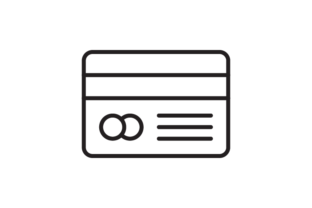
The Credit Card design is simple but impactful. Its rectangular shape mimics the familiar form of a standard credit card, making it instantly recognizable. The theme is subtle and contemporary—perfect for projects where you want something professional without being flashy. The layout is well-balanced, with enough detail to suggest realism (like rounded edges or a textured look) without overwhelming the viewer.
What stands out most is its visual personality. It doesn’t scream for attention, but it holds its own in a composition. That makes it ideal for custom apparel, especially when used as an accent rather than the main focus. For example, imagine placing this design on the back pocket of a tote bag or near the hem of a sweatshirt as part of a larger motif. It adds a touch of sophistication and can subtly communicate themes like tech-savvy, style, or organization.
Real-Life Scenario: Embroidering a Tote Bag
Let’s say you’re creating a tote bag design for your Etsy shop or craft fair booth. You want to feature a minimalist logo alongside some functional elements. The Credit Card design fits right in. It works well as a standalone icon or paired with other symbols like keys, phones, or wallets.
I tested it on a cotton-polyester blend fabric using a mid-sized hoop. The stitch clarity was good—edges were smooth, and the overall shape maintained its integrity. On a tote bag, it looked elegant without being too busy. Customers would likely appreciate the understated yet intentional design, especially if they’re looking for something stylish and practical for everyday use.
Where Credit Card Works Best
- Sweatshirts & T-Shirts: Great for small-scale embroidery on cuffs, hems, or pockets. It won’t distract from the garment but will add a refined touch.
- Baby Clothes & Accessories: Perfect for a modern diaper bag tag or a tiny patch on a onesie. Its clean lines are safe for young children and easy to stitch accurately.
- Embroidered Patches: The Credit Card design translates well into a patch format. It looks crisp when stitched onto felt or woven materials and can be framed with a border for added definition.
- Nursery Decor & Pillow Covers: As part of a collection of lifestyle icons, it complements other shapes and motifs. It adds a subtle layer of meaning without clashing visually.
- Holiday Gifts & Personalized Items: Use it to indicate “payment-ready” items, such as a wallet-shaped ornament or a gift bag with embedded icons. It gives a nod to convenience while staying festive.
- Commercial Embroidery: If you're an embroidery project provider working with clients, this design is suitable for corporate gifts, branded accessories, or promotional tote bags. It elevates the handmade product with a touch of professionalism.
Where to Use It Carefully
While the Credit Card design is adaptable, there are certain situations where extra caution is needed to ensure the best outcome:
- Small Hoop Sizes: The design has fine details that may not render well in very tight spaces. Always confirm the recommended hoop size before stitching.
- Textured or Stretchy Fabrics: These can distort the edges of the design. A firm stabilizer and careful tension control are essential for maintaining sharpness.
- Thin or Delicate Materials: Dense stitches might cause puckering or tearing. Opt for a lighter stitch density and consider using a tear-away stabilizer underneath.
- Dark Fabric Backgrounds: The contrast of the design depends heavily on thread colors. Test on a dark background to ensure visibility and make adjustments if needed.
- Curved Surfaces (e.g., Caps or Hats): The flat nature of the design means it won’t conform perfectly to curved surfaces. Consider resizing or adjusting placement for optimal results.
- Products Requiring Frequent Washing: While the design itself is solid, always test how thread color fades and how the fabric reacts over time. Choose durable threads and fabrics for long-term wear.
Design Notes for Embroidery Artists
If you're an embroidery designer or Etsy seller, here are some tips to keep in mind when working with the Credit Card design:
- Test on Scrap Fabric: Before committing to a client order or a batch of handmade products, run a few samples. This helps catch any issues with stabilizer choice or stitch density.
- Review Thread Color Contrast: Don’t assume every color combination will work. Use a black-and-white mockup to visualize how the design will appear under different lighting conditions.
- Check Stitch Density: Too dense and it could pucker; too sparse and it might look incomplete. Adjust based on the fabric type and desired effect.
- Confirm Hoop Size Requirements: Since no specific hoop size is listed, always verify compatibility with your machine and the scale at which you plan to stitch.
- Inspect Small Details: The icons included in this graphics set have delicate features. Ensure your machine is capable of handling them, and don’t skip the final inspection after stitching.
- Use Proper Stabilizer: Especially on stretchy or slippery fabrics, stabilizing the area beneath the design is key to preventing distortion.
- Confirm Licensing for Commercial Use: Since the product description doesn’t specify license terms, reach out to the seller to clarify whether you can use this design in commercial embroidery or digital product sales.
Visual Appeal and Project Value
The Credit Card design contributes significantly to the visual appeal of a project. Its sleek shape and balanced proportions make it a great fit for brand consistency efforts, especially in shops that sell lifestyle or travel-themed products. It doesn’t require much embellishment to stand out—just the right choice of thread colors and placement.
When used correctly, it enhances the product value by adding a sense of polish and intentionality. A customer browsing through your handmade product lineup will notice the thoughtful design choices, increasing their trust in the quality of your work. Whether it's a personalized gift or a small shop product, this design helps your items feel more curated and less mass-produced.
Giftability and Recognition
For holiday embroidery or wedding gifts, the Credit Card design offers a quiet confidence that aligns well with high-end or boutique-style presents. It can serve as a symbol of modernity, luxury, or convenience depending on the context. In a baby shower item, for instance, it might represent a parent’s preparedness. In a groomsmen gift, it could imply a fun, tech-savvy twist.
Its simplicity also ensures strong recognition. Even when viewed quickly, the shape is unmistakable. That makes it excellent for printable mockups or digital previews where quick visual communication is key. An apparel decorator can confidently show off a sample of a sweatshirt with this design, knowing it will be understood at a glance.
Final Thoughts for Creative Entrepreneurs
In summary, the Credit Card design is a smart addition to any embroidery project that needs a touch of modern elegance. It performs well in most scenarios, particularly on stable, medium-weight fabrics. However, due to its detailed corners and potential need for precise stitch execution, it’s important to take the necessary steps before full production.
As a reviewer, I recommend using this SVG and PNG file as a supporting element rather than a focal point. It shines brightest when part of a cohesive design language—whether in a line of craft business items or a curated design asset library. Just remember to adapt it to your specific tools, materials, and intended use case.
Ultimately, the Credit Card design is a reliable and attractive option for those who want to elevate their finished product with subtle, meaningful icons. With a bit of preparation and testing, it can become a valuable staple in your creative toolkit.