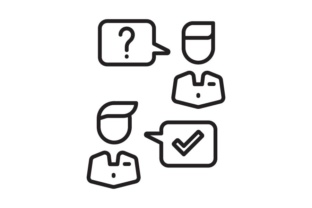
Conversation 2 Review
As a designer and embroidery product reviewer, I often find myself evaluating new designs with a critical eye—especially when they’re intended for real-world use in custom apparel, handmade products, or commercial projects. Conversation 2 is one such design that caught my attention, not just for its aesthetic appeal but for how it might translate into actual embroidery work. Let’s dive into what this design offers and where it truly shines.
First Impressions: A Design That Speaks Volumes
From the moment I opened the SVG file, I noticed that Conversation 2 has a clean, modern feel. The icon-based design is minimal yet expressive, making it ideal for projects that need to communicate a message without overwhelming the viewer. The layout is well-balanced, with a focus on simplicity that allows for easy customization. It feels like a design that could be used across multiple platforms—whether as an embroidered patch, a tote bag design, or even a printable mockup for a digital product.
The theme of conversation is subtly conveyed through the visual elements, which are neither too abstract nor too literal. This makes it versatile enough for a range of applications, from baby items to holiday gifts. The level of detail is just right—enough to stand out but not so intricate that it becomes a challenge to stitch accurately.
Real-World Embroidery Use Cases
When I think about how Conversation 2 would perform in actual embroidery scenarios, several use cases come to mind. For instance, if I were designing a custom tote bag for a small shop, this design would fit perfectly. Its size and shape make it suitable for a medium-sized hoop, and the overall composition doesn’t require excessive stitch density, which is great for maintaining fabric integrity.
It also works well for sweatshirt embroidery or personalized baby clothes. The clean lines and lack of overly detailed elements mean it can be stitched on both light and dark fabrics without losing clarity. I could see this being used as an embroidered patch for a jacket or a cap, where a subtle yet meaningful design is key.
For craft business owners, especially Etsy sellers, Conversation 2 offers a solid foundation for creating handmade products. It’s the kind of design that can be easily adapted for different materials and projects, making it a valuable addition to any digital design library.
Where to Be Cautious: Practical Considerations
While Conversation 2 is generally well-suited for most embroidery projects, there are some situations where it might require extra care. For example, if you’re working with small hoop sizes, you may need to adjust the design slightly to ensure all elements are visible. Similarly, on textured or stretchy fabrics, the design might not sit as smoothly as it would on a more stable material.
Thin or dark fabrics could also pose challenges. If you’re planning to use this on a black t-shirt, for instance, you’ll want to make sure the thread colors contrast well enough to remain visible. Likewise, if you’re stitching on a layered garment, the design might need additional stabilizer to prevent shifting during the process.
Another thing to note is that while the design is clean, it still requires attention to detail. Tiny lettering or decorative accents might not hold up as well on curved surfaces like caps or hats. It’s always a good idea to test the design on scrap fabric before committing to a final project.
Impact on Visual Appeal and Customer Perception
Conversation 2 has a strong visual presence that can elevate the overall look of any finished product. Whether it’s a custom apparel item or a personalized gift, the design adds a touch of sophistication without being over the top. This can significantly enhance the perceived value of your handmade products, especially when targeting customers who appreciate thoughtful, minimalist aesthetics.
From a customer perspective, this design is likely to be well-received. It’s simple enough to be timeless, yet distinctive enough to stand out. For small business owners and crafters, this means it can help build brand consistency and create a cohesive look across different product lines.
Additionally, the design’s clarity and simplicity make it highly recognizable. This is important for giftability—people often prefer designs that are easy to understand and visually appealing. It also helps with buyer engagement, as it can be used in marketing materials, printable mockups, and digital product previews to showcase your work effectively.
Designer Notes: Practical Tips for Using Conversation 2
Before jumping into a full project, I always recommend testing the design on scrap fabric. This helps identify any potential issues with stitch density, thread color contrast, or fabric compatibility. You should also review the stitch count and ensure that the design fits within your hoop size. If it doesn’t, consider resizing or adjusting the layout accordingly.
Another tip is to check how the design looks in black and white mockups. This can give you a better sense of how it will appear on different fabric backgrounds. For commercial projects, it’s essential to confirm that the design meets your licensing requirements before selling any finished items or digital products.
Finally, don’t forget to use the right stabilizer for your fabric type. This can make a big difference in the final appearance and durability of the embroidery. Whether you’re working on a tote bag design, a sweatshirt embroidery, or a baby item, these small details can have a major impact on the outcome.