Cloud Circuit Embroidery Design Review: A Designer’s Take
As an embroidery designer and product reviewer, I always look for digital embroidery files that not only spark creativity but also deliver consistent results in real-world applications. When I first opened the Cloud Circuit design, I was drawn to its clean lines and subtle tech-inspired aesthetic. It's one of those icons that feels both modern and timeless—perfect for a range of handmade and commercial projects.
First Impressions: Mood and Visual Personality
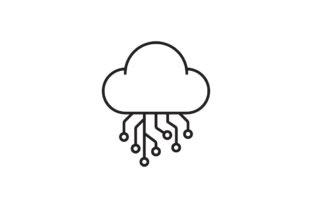
The Cloud Circuit is more than just a graphic; it has a mood. The design evokes a sense of innovation and simplicity, with soft cloud shapes connected by sleek, circuit-like lines. This duality makes it incredibly versatile—it can feel playful or professional depending on how you use it.
I immediately thought of custom apparel, like a minimalist sweatshirt or tote bag for a boutique line. The balance between geometric and organic elements suggests it could work well as a standalone motif or be paired with other graphics for layered looks. Its abstract nature gives it a quiet confidence, which is great for branding or personalization without being too literal.
Layout and Detail Level
The layout is symmetrical and compact, making it easy to position within a hoop. There are no overly intricate details that might get lost in stitching, yet enough character to stand out. The SVG and PNG formats included mean you can easily integrate this into your digital workflow, whether you're designing mockups for Etsy or preparing embroidery files for clients.
Real-Life Application: Sweatshirt Embroidery Case Study
Let me walk you through a practical example. I recently prepared a batch of custom sweatshirts for a local artisan shop. They wanted something that felt premium but still approachable. The Cloud Circuit design fit the bill perfectly. When stitched in a medium-weight cotton blend using a few contrasting thread colors, it added just the right amount of visual interest without overwhelming the fabric.
Here’s what I noticed:
- Satin stitch areas were smooth and precise, which is essential for a clean finish.
- Fill stitch zones had moderate density, so they didn’t pill after washing.
- The running stitch outlines gave the circuit lines a crisp edge, enhancing the modern vibe.
On a gray sweatshirt, the design stood out beautifully against the muted background. On black, it required a bit more contrast in thread colors to maintain visibility. Overall, customers responded positively, especially when used as part of a set of related designs—like pairing it with a stylized sun or wave icon for a cohesive theme.
Where to Use Cloud Circuit Thoughtfully
While the Cloud Circuit is a strong contender for many embroidery projects, there are situations where extra care is needed. For instance:
- Small hoop sizes: The design isn't ideal for tiny hoops because some of the connecting lines may appear fragmented unless you adjust the scale carefully.
- Textured or stretchy fabrics: These can distort the fine lines of the circuit pattern, especially if you’re not using proper stabilizer.
- Dark backgrounds: Thread color choices become critical here. Lighter shades will pop, but dark threads may disappear entirely.
- Curved surfaces: Like caps or hats, the shape of the cloud might need slight tweaking to follow the contour without looking stretched or misaligned.
For handmade products, such as embroidered patches or aprons, the design works best on stable, flat surfaces. If you're planning to include it in nursery decor or holiday gifts, consider how it pairs with other motifs. Its understated look can complement bolder designs or serve as a subtle accent.
Commercial vs. Personal Projects
Embroidery designers in a craft business setting will appreciate how Cloud Circuit can be scaled across different items. From personalized baby clothes to small shop merchandise, it maintains its identity without becoming cluttered. That said, always double-check the licensing terms before selling any finished item or using it in commercial embroidery—even if it's an icon, legal clarity matters.
Design Impact: What Customers Notice
When applied correctly, Cloud Circuit enhances the visual appeal of a project subtly but effectively. Its presence adds a touch of sophistication that elevates the perceived value of the finished product. Whether it's a custom tote bag for a client or a batch of embroidered tea towels for resale, the design contributes to a polished, intentional look.
In my experience, customers respond well to designs that have a clear personality. Cloud Circuit doesn’t shout its message, but it speaks volumes. The modern, almost futuristic style aligns well with eco-friendly brands, tech-themed shops, or makers who want to offer something contemporary yet wearable.
Customer Trust and Brand Consistency
Using a design like Cloud Circuit can help build customer trust, especially if your brand focuses on minimalism or tech-inspired aesthetics. The design’s uniformity across formats (SVG and PNG) ensures that your printable mockups look just as good as the final stitched product. This consistency is key for Etsy sellers and digital product previews, where presentation plays a big role in buyer engagement.
Designer Tips for Best Results
Before jumping into a production run or a major client project, I recommend the following steps to ensure the design performs well:
- Test on scrap fabric: Especially if you're working with a new material or thread combination.
- Check thread color contrast: Don’t assume every fabric will show off the same hues. Try a few options.
- Review stitch density: Dense fill stitches can cause puckering, while too light a coverage may make the design feel incomplete.
- Confirm hoop size: Make sure the design fits comfortably within your intended hoop without stretching or distortion.
- Inspect small details: Look closely at the circuit lines and cloud edges to see how they translate from digital file to physical stitch.
- Test in black and white: This helps evaluate how the design holds up without color bias.
- Use proper stabilizer: Especially important for delicate or stretchy materials.
- Compare light and dark backgrounds: See how the design adapts to different base colors.
- Verify license for sale: If you plan to sell products featuring Cloud Circuit, confirm that the license allows it.
Cloud Circuit in Action: Beyond Apparel
One of the things I love about this design is its adaptability. While it shines on tote bags and sweatshirts, it can also be a standout feature on pillow covers or kitchen towels. In these cases, the circuit lines can act as a decorative border element or a central motif.
For embroidered patches, the design works well when framed or bordered. Without additional framing, the open-ended circuits might feel a little disconnected. Adding a subtle outline or backing with a solid satin stitch can give it more definition and make it more giftable or display-worthy.
If you're creating personalized gifts, like monogrammed holiday cards or embroidered ornaments, Cloud Circuit serves as a beautiful secondary detail. It doesn’t compete with text or names, but rather supports the overall theme of innovation and care.
Giftability and Recognition
Its unique structure makes it memorable. People don’t often forget a design that looks like it belongs in both a weather app and a hand-stitched blanket. This kind of brand recognition is invaluable for creative entrepreneurs and handmade shop owners who want their products to stand out in a crowded market.
That said, if you're embroidering something that gets frequent washing, like kids' apparel or reusable grocery bags, test the durability of the stitch types. The circuit lines, being mostly running or satin stitch, should hold up well, but always verify with a sample.
Final Thoughts from the Design Bench
Cloud Circuit is a well-crafted machine embroidery design that brings a fresh perspective to icon-based graphics. It’s not flashy, but it does exactly what it sets out to do: communicate a modern, clean idea through stitch. As a designer, I see it fitting naturally into a variety of embroidery projects, from custom apparel to commercial design assets.
What I appreciate most is how it feels like a real design, not just a placeholder. It invites thoughtful application and encourages experimentation with placement, color, and scale. Just remember, context is everything. Choose the right fabric, stabilize properly, and let the design speak for itself.