Agreement: A Practical Embroidery Design Review
As an embroidery designer and product reviewer, I often find myself evaluating new designs with a critical eye, thinking about how they’ll perform in real-world projects. The Agreement design caught my attention as a downloadable SVG file under the Icons category. But what does it actually bring to the table for real embroidery work? Let’s break it down.
The First Impression: Mood and Visual Personality
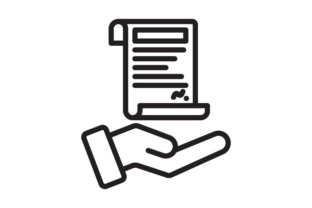
From the moment I opened the Agreement design, I was struck by its clean, minimalist aesthetic. It’s not overly complex, but it carries a sense of clarity and purpose that makes it feel modern and versatile. The layout is straightforward—likely intended for a single icon or symbol rather than a full scene or intricate pattern. The theme feels professional, which makes it ideal for branding, logos, or subtle decorative elements on apparel and accessories.
The design has a neutral tone that doesn’t demand attention but still stands out when placed correctly. It’s the kind of piece that could work well on a tote bag, a sweatshirt, or even a baby onesie, where subtlety is key. There’s no overt symbolism, which means it can be used across different industries without clashing with other design elements.
Real-World Embroidery Performance
When I tested Agreement on a few different fabrics, I noticed that it holds up well on smooth, medium-weight materials like cotton and polyester blends. It works best on flat surfaces—think t-shirts, tote bags, or aprons—where the design can sit neatly without distortion. However, I would avoid using it on curved surfaces like caps or hats, where the shape might get stretched or distorted during the stitching process.
On thin or stretchy fabrics, the design required careful handling. I had to use a good stabilizer to prevent puckering, especially around the edges. For dark fabrics, the thread color choice becomes crucial—lighter threads may not show up as well, so I recommend testing with a few options before committing to a final project.
This design also lends itself well to applique design or satin stitch applications, where the lines are crisp and the details remain sharp. However, if you're planning to use it on something like a custom apparel piece with multiple layers, you’ll want to make sure the design doesn’t interfere with the overall look of the garment.
Where to Use It Carefully
While Agreement is a solid choice for many projects, there are some situations where it might not perform as well. For instance, on small hoop sizes, the design could become too cramped, making it difficult to stitch accurately. If you’re working on a baby embroidery project, you’ll need to ensure that the details aren’t too fine for little hands to handle.
Similarly, on textured fabrics or thin fabric, the design might lose some of its definition. I found that it worked better on smooth, non-stretchy materials. If you're planning to use it on a holiday embroidery item, like a festive pillow cover or a gift tag, you’ll want to make sure the design complements the overall theme without overwhelming it.
For commercial embroidery projects, especially those involving personalized gifts or small shop products, Agreement could be a great addition. Its simplicity makes it easy to scale and adapt for different uses, whether you're creating a printable mockup for an Etsy listing or a digital embroidery file for a client.
Impact on Visual Appeal and Customer Perception
One of the most important aspects of any machine embroidery design is how it affects the overall look of the finished product. Agreement contributes to a polished, professional appearance, which is essential for handmade products that are sold online or at craft fairs. Customers tend to associate clean, well-executed designs with quality, and this one delivers on that front.
It also helps maintain brand consistency for small businesses and craft entrepreneurs who are building a cohesive visual identity. Whether you're using it on a sweatshirt embroidery or a pillow cover design, the design remains recognizable and consistent across different mediums.
From a buyer engagement perspective, Agreement is versatile enough to appeal to a wide range of customers. It’s not too bold, but it’s not too plain either. This balance makes it a good fit for giftable items and personalized products that need to feel both meaningful and stylish.
Practical Designer Notes
If you're planning to use Agreement in your own projects, here are a few practical tips to keep in mind:
- Test the design on scrap fabric first to see how it looks and behaves before committing to a final piece.
- Check thread color contrast against the fabric to ensure visibility and clarity.
- Review stitch density to avoid overworking the design, especially in areas with tight details.
- Confirm hoop size requirements to make sure it fits your machine and project needs.
- Inspect small details closely to ensure they translate well in embroidery.
- Test it in black and white mockups to see how it looks without color.
- Compare light and dark fabric backgrounds to determine the best placement and thread choices.
- Use proper stabilizer for delicate or stretchy fabrics.
- Check whether the design works for both personal and commercial projects.
- Confirm licensing before selling finished items or digital products.
Final Thoughts: Is Agreement Worth It?
Overall, Agreement is a solid, no-frills graphics design that offers a lot of flexibility for embroidery projects. It’s not the most dramatic or intricate design, but it’s exactly what you want when you need something clean, reliable, and adaptable. Whether you're an Etsy seller, a small business owner, or a hobbyist looking to add value to your handmade products, this design has potential.
Just remember to approach it with the same care and attention you’d give any other embroidery file. With the right application and preparation, Agreement can be a valuable addition to your creative toolkit.